Philanthropy
University-administered research support
Explore
Precision motion / Technology in development
SeaKing Solace is developing precision motion technology for future autism therapy, combining controlled movement, physiological measurement, and software.
Philanthropy · Investment · Sponsorship
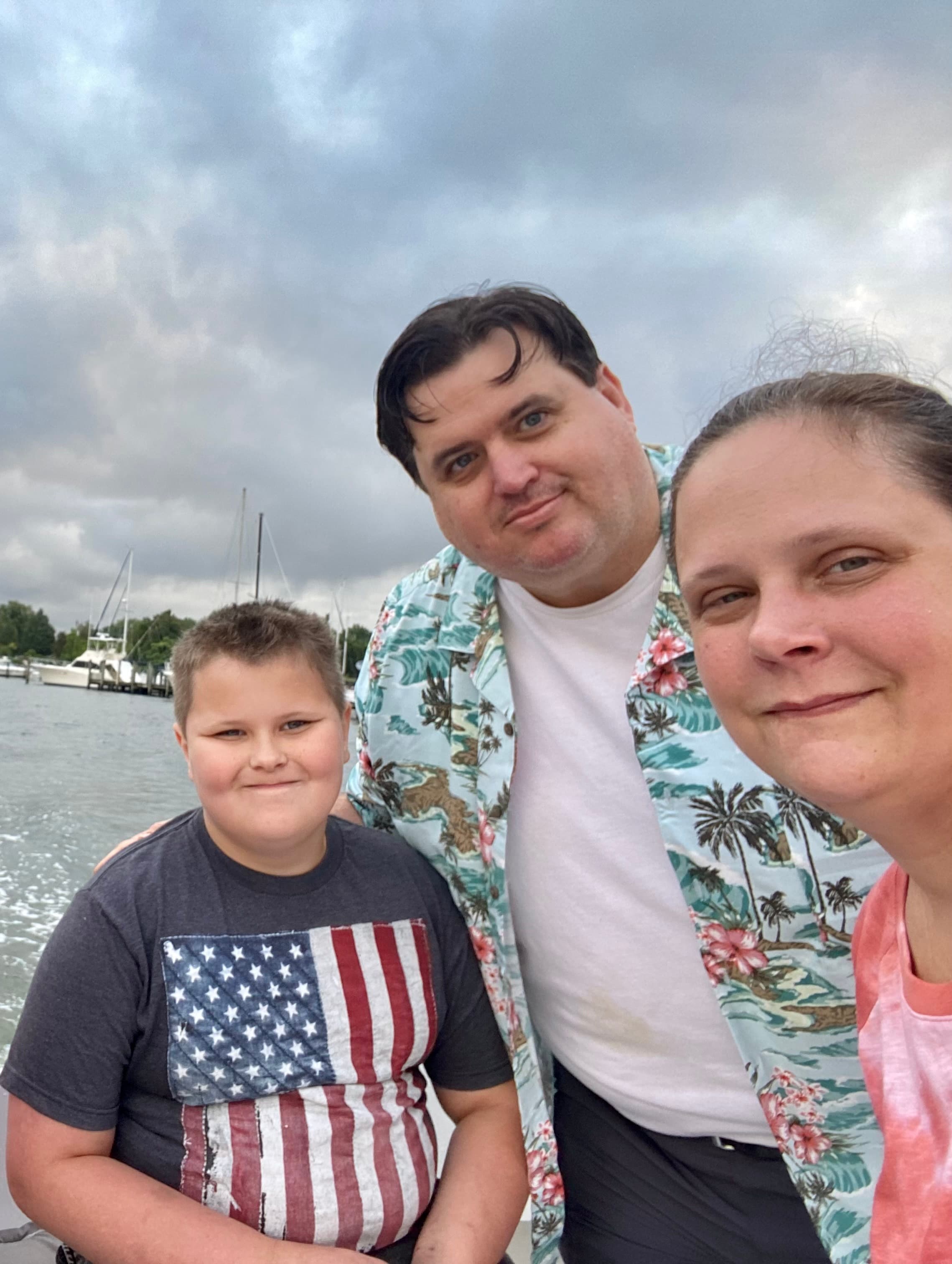
The people behind the purpose
Outside research use, our plan is to welcome families of children with special needs aboard for shared experiences and a stronger community.
Parker’s unusually calm and regulated response during time on the water inspired a question and a product vision. Could the relevant qualities of motion be characterized and translated into precise technology?
That personal experience motivates the mission. Scientific measurement and engineering give us a disciplined way to pursue it.
Our ambition is a new therapeutic technology category: a platform that can deliver defined motion, measure physiological responses, and use validated findings to inform individualized protocols.
Our platform vision brings controlled multidirectional motion, physiological monitoring, and software together.
We are developing precision motion-based therapeutic technology with the potential to transform autism intervention and expand treatment possibilities for neurological and autonomic conditions.
A multidirectional platform designed around measurable, reproducible stimulus parameters.
Synchronized motion and physiological monitoring to characterize responses and guide development.
Calibration and protocol development grounded in measured evidence, with adaptive capabilities as a future objective.
Why measurement comes first
The next step: measure the motion and responses that will inform its engineering.
Engineering the simulator requires a measured understanding of the motion it is intended to deliver. The proposed Phase 1 study will characterize natural multidirectional motion on a vessel alongside physiological responses.
These measurements will inform motion parameters, hardware configuration, sensor synchronization, and control software. Starting with the natural-motion setting gives the development team a measured foundation for building and calibrating a precisely controlled, land-based system.
Concepts and engineering design provide the starting point. Measurement, calibration, prototyping, and clinical validation are the work required to advance that vision.
The proposed Phase 1 SAIL study is the data foundation for the product: characterize natural motion, synchronize physiological responses, and translate supported findings into software and engineering requirements.
Measure vessel movement and the motion actually received at each participant’s head.
Align cardiovascular, respiratory, ocular, and other candidate signals with the motion record.
Use reliable findings to inform motion parameters, sensing, software, and controlled delivery.
Questions about the program
SeaKing Solace is a medical technology development venture with autism as its primary mission. The intended land-based platform brings controlled multidirectional motion, physiological monitoring, and software together. Concepts and engineering design exist; the next step is research measurement to inform the product.
Explore the precision motion platformThe proposed Phase 1 SAIL study will characterize natural vessel motion and synchronized physiological responses in healthy adults. Measuring both provides the motion parameters and response data needed to inform simulator hardware, calibration, sensors, and control software.
Read the proposed Phase 1 study scopeSix scientific white papers examine vestibular motion sensing, vestibular-autonomic interactions, autonomic and vagal regulation, neuroplasticity, motion-rich interventions, and the SeaKing Solace hypothesis. The series connects published literature with the measurements and development questions the program will investigate.
Explore the six scientific reviewsChoose the relationship that fits your contribution: philanthropy for university-administered research support, investment for product development and strategic partnerships, or sponsorship for Destination: Discovery media and vessel benefits.
Compare philanthropy, investment, and sponsorshipPhilanthropy, investment, and sponsorship offer three distinct ways to fund the program. Choose the relationship that fits you.