
Heave, pitch, and roll
Characterize vertical and rotational vessel movement over time.
Technology
The SeaKing Solace technology concept is designed to capture real-world motion, associate it with synchronized biometric data, and reproduce selected motion profiles within a controlled simulator environment.
Capture
Six-degree-of-freedom sensors can describe a session through heave, pitch, roll, surge, sway, and yaw. Precise timestamps and environmental context are intended to keep motion and biometric records aligned.
Characterize vertical and rotational vessel movement over time.
Characterize longitudinal, lateral, and directional movement.
Align motion, time, environmental conditions, and research events within one record.
Correlate
Candidate measures include heart rate, HRV, pupillometry, blood pressure, respiration, tolerability, and participant-reported outcomes. Associations would require careful analysis and would not, by themselves, establish causation.
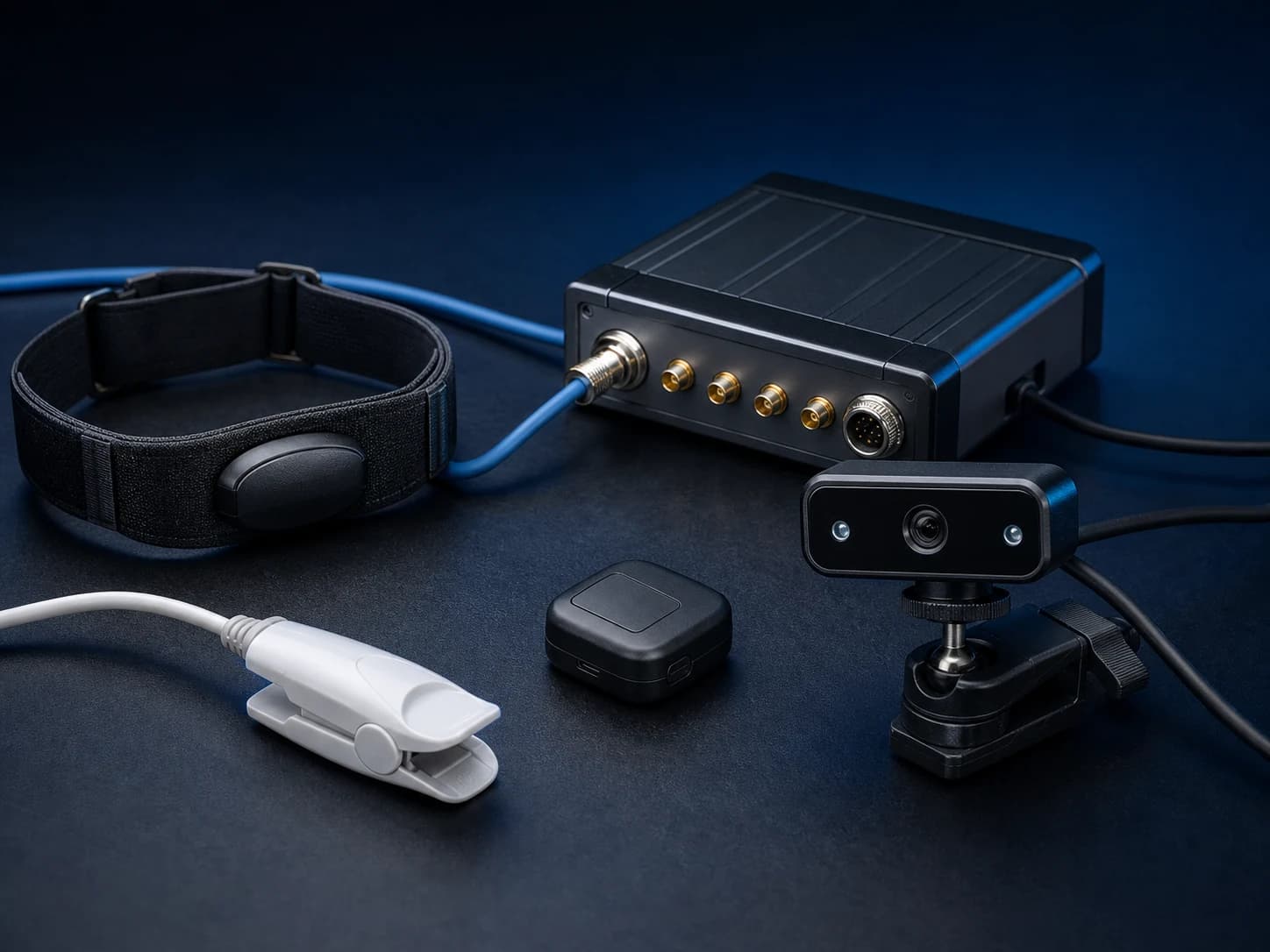
A common clock is intended to align motion, biometric signals, participant reports, and protocol events without treating any single measure as evidence of efficacy.
Reproduce
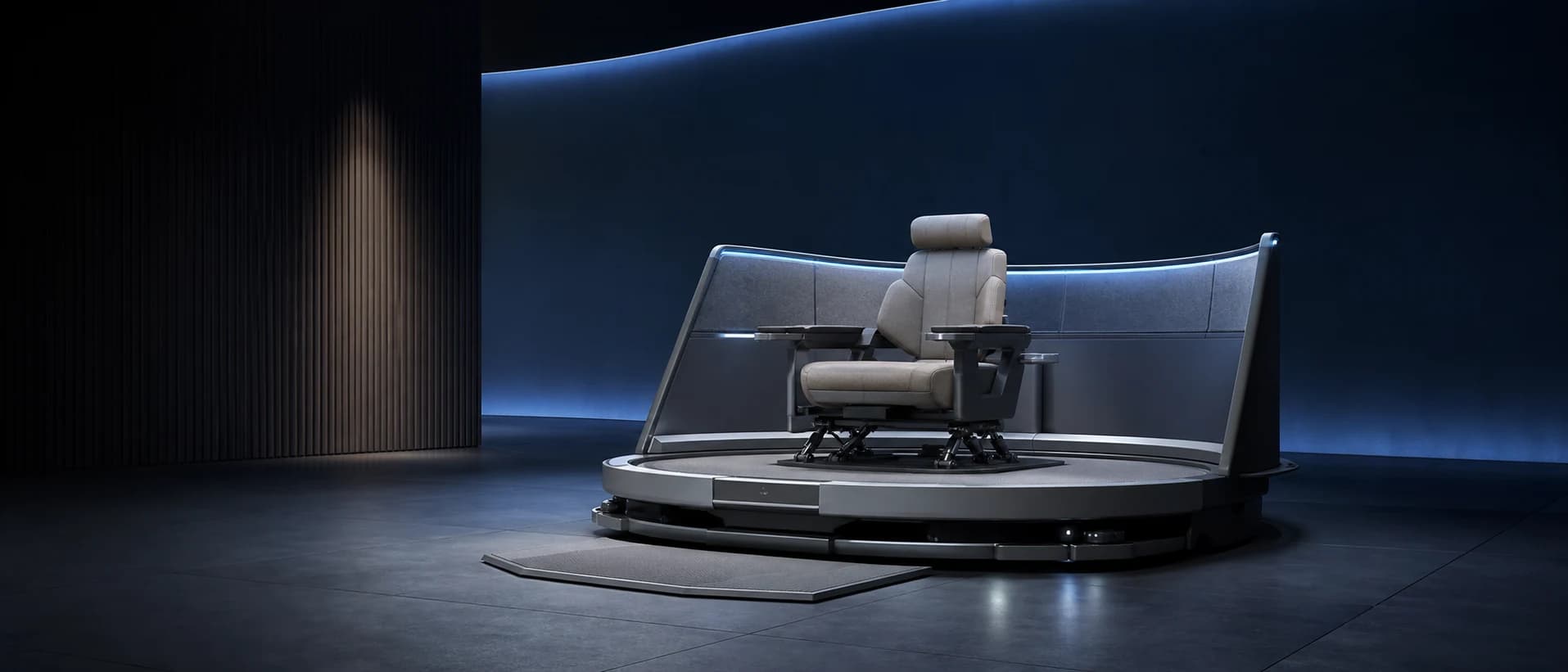
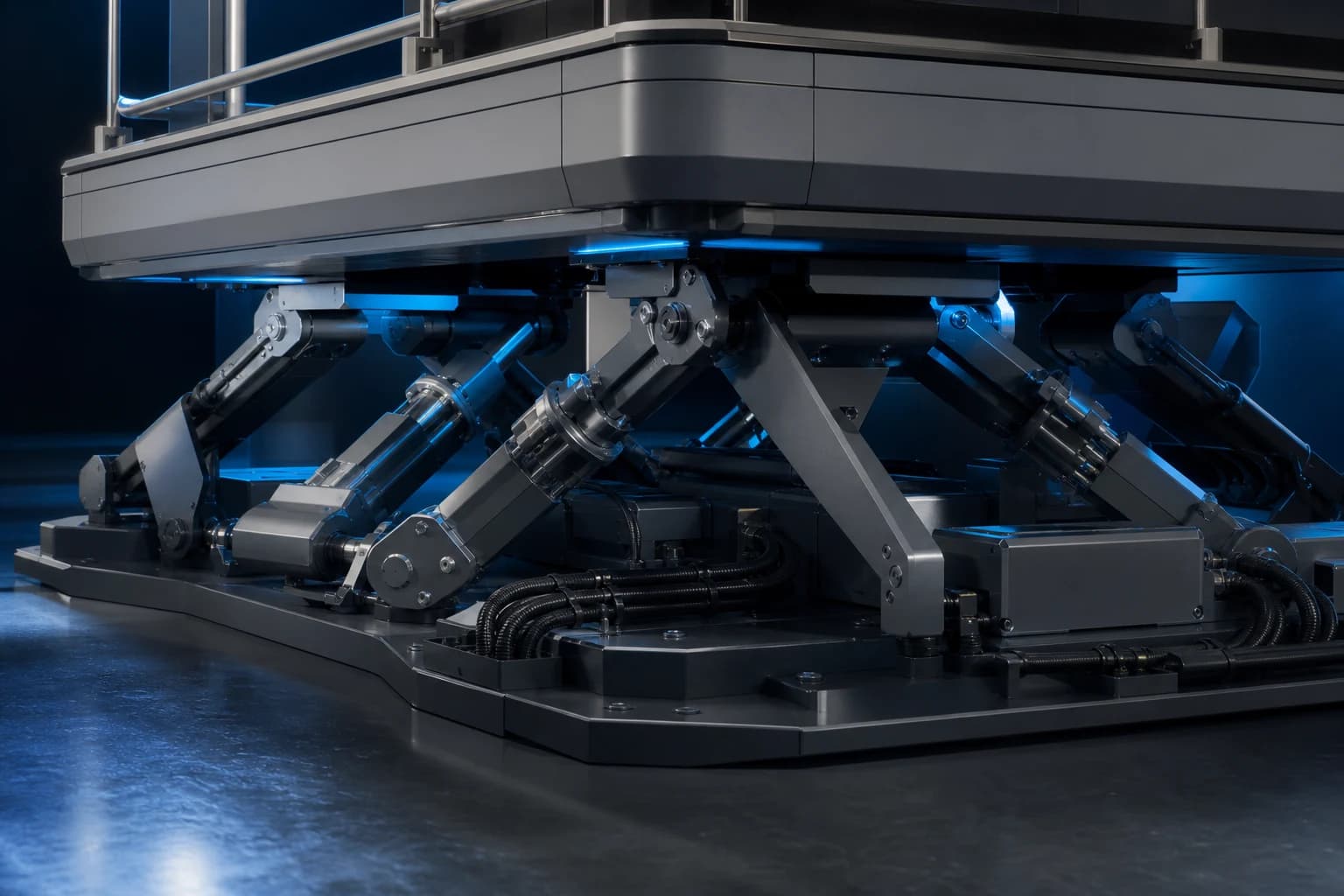
The simulator concept is intended to provide a controlled environment for repeatable motion, adjustable intensity, protocol consistency, and clinical research. It is not presented as clinically validated.
Precision and repeatability
Closed-loop future
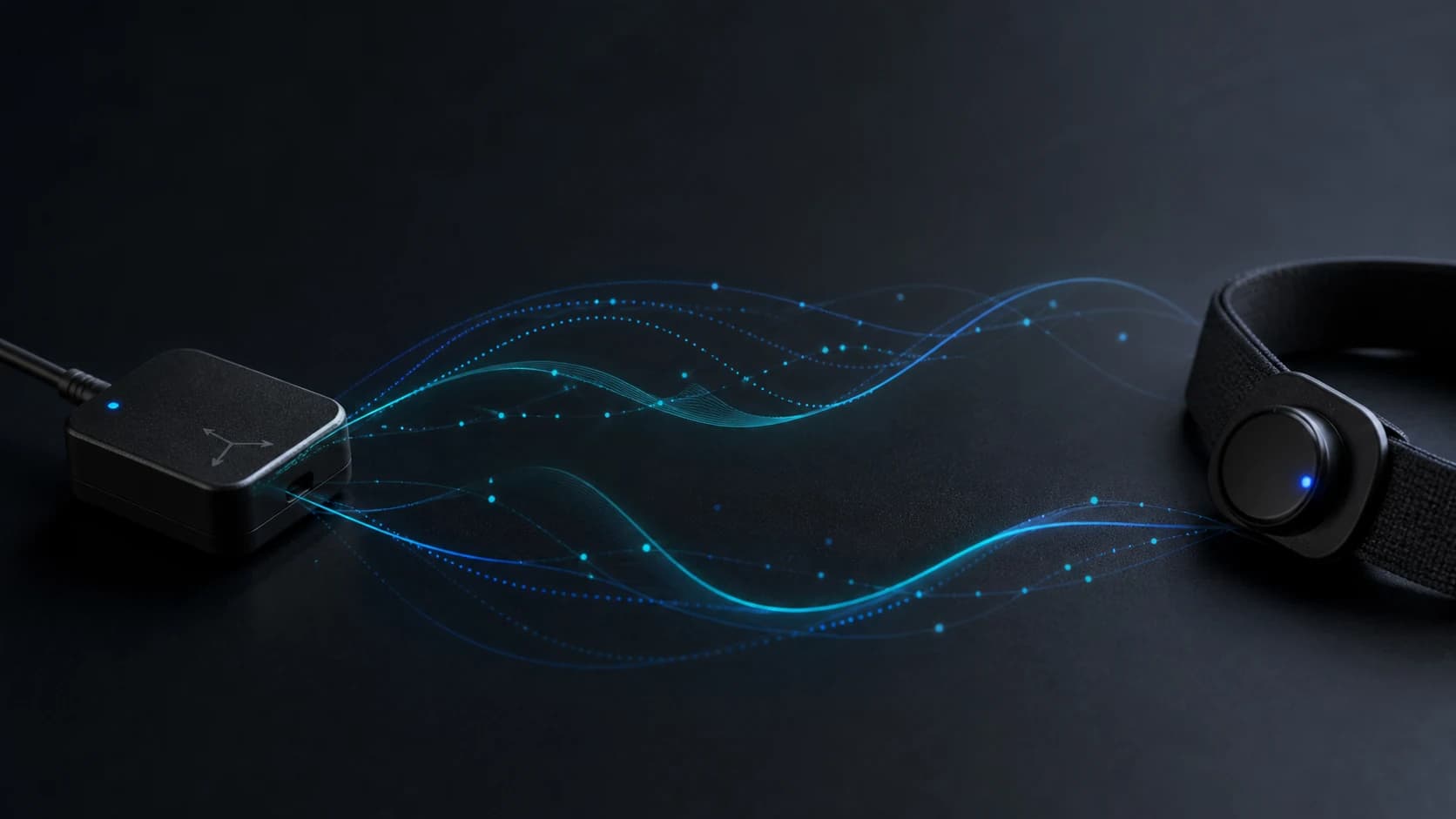
A future platform could use real-time physiological signals to adjust motion within predefined safety and research parameters. This is a future concept, not completed or validated functionality.
Conceptual signal synchronization
Defined motion
Synchronized sensing
Research analysis
Constrained adjustment
Accessibility
The long-term concept is land-based: more scalable, repeatable, geographically accessible, compatible with clinical settings, and less dependent on weather or vessel access.
Development status
Current
Whether externally applied rhythmic motion is associated with measurable physiologic and exploratory participant responses.
Proposed
A four-phase pathway intended to move from on-water characterization to controlled studies.
In development
A controlled platform intended to reproduce selected motion profiles for research.
Future vision
A potential closed-loop system contingent on evidence, engineering, safety work, and validation.